

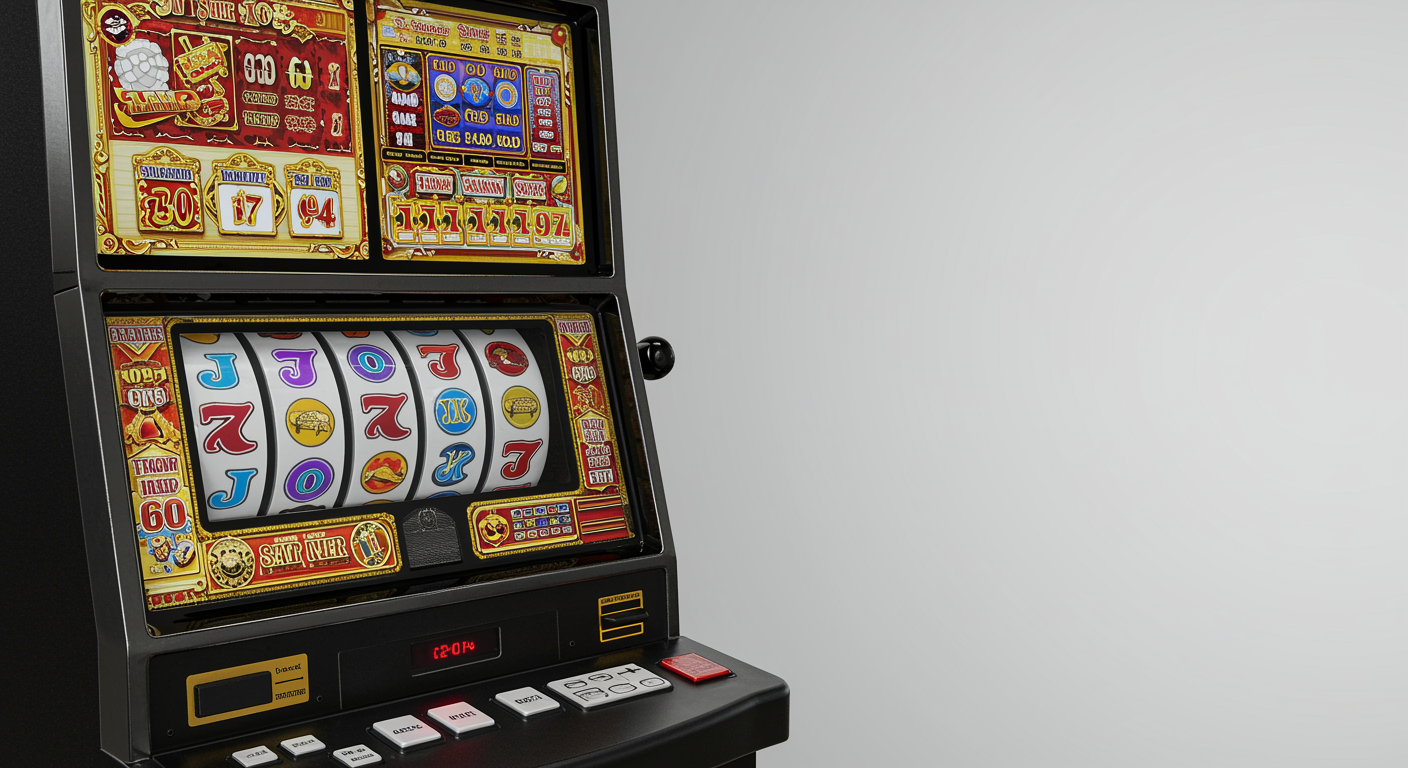
The slot cycle theory remains one of the most debated topics among South African gamblers, sparking heated discussions in casino floors from Johannesburg to Cape Town. This persistent belief suggests that slot machines operate on predictable cycles of wins and losses, creating opportunities for savvy players to time their gameplay for maximum returns. However, the reality of modern slot machine technology tells a vastly different story.
For SA players navigating both land-based venues like Sun City and Montecasino, as well as the growing online gambling market, understanding the truth behind slot cycles is crucial. The National Gambling Board’s regulatory framework ensures transparency in slot operations, yet misconceptions persist about hot and cold machines, optimal timing strategies, and the ability to predict winning sequences. This comprehensive guide examines the mathematical realities of randomness, volatility patterns, and payout structures that actually govern slot machine behavior in the South African gambling landscape.
What is Slot Cycle Theory?
Slot cycle theory proposes that slot machines operate on predetermined patterns or cycles that dictate when wins and losses occur. Proponents believe these cycles can be tracked, timed, and exploited for gambling advantage. This theory gained traction during the mechanical slot era when physical reels and limited programming created more predictable patterns than today’s sophisticated digital systems.
The contrast between traditional mechanical slots and modern Random Number Generator (RNG) technology reveals fundamental flaws in cycle theory application to contemporary gambling. While older machines had finite combinations and potential predictability, today’s slots generate outcomes using complex algorithms that produce truly random results. South African casinos, regulated by provincial gambling boards, must use certified RNG systems that undergo regular auditing to ensure fairness and unpredictability.
| Concept | Definition | Example/Implication |
|---|---|---|
| Hot Machine Theory | Belief that machines paying frequently will continue winning streaks | SA players queue behind “hot” machines at Emperors Palace |
| Cold Machine Theory | Assumption that non-paying machines are “due” for wins | Players investing heavily in machines with long losing streaks |
| Timing Strategy | Attempting to predict optimal moments to play specific machines | Observing other players’ results before committing bankroll |
| Cycle Completion | Theory that machines reset after predetermined number of spins | Players tracking spin counts to identify “reset points” |
Historical Basis vs. Modern Reality
Early slot machines operated with mechanical reels containing limited symbol combinations, creating finite outcome possibilities that could theoretically be tracked over time. These vintage machines, popular in SA’s nascent gambling industry during the 1990s, relied on physical mechanisms that introduced subtle patterns and predictable wear affecting randomness. The transition period saw hybrid electro-mechanical machines that maintained some predictability while introducing electronic components.
Modern digital slots represent a complete departure from mechanical limitations, employing sophisticated RNG technology that generates millions of number sequences per second. South African casinos transitioned to fully digital systems during the 2000s, implementing certified random number generators that eliminate predictable patterns. This technological evolution rendered traditional cycle theory obsolete, yet player beliefs adapted slowly to these fundamental changes in slot machine operation.
SA Players’ Beliefs Around Slot Cycles
Despite technological advances, South African slot players maintain persistent beliefs about machine cycles and predictable patterns. These misconceptions, reinforced by selective memory and confirmation bias, continue influencing gambling behavior across the country’s casino landscape.
- Many SA players believe machines become “due” for jackpots after extended losing periods, leading to increased betting during cold streaks
- Observation strategies involve tracking other players’ results to identify supposedly optimal entry points on specific machines
- Time-based theories suggest certain hours or days produce better results, with many players planning casino visits around perceived favorable cycles
- Progressive jackpot timing beliefs lead players to assume larger jackpots indicate imminent payouts, despite mathematical independence of each spin
- Machine switching strategies involve moving between slots based on recent payout history, despite each machine operating independently
How Slot Machines Actually Work
Modern slot machines operate through sophisticated Random Number Generator systems that produce truly unpredictable outcomes for every spin. These RNG algorithms generate number sequences continuously, even when machines aren’t being played, ensuring complete independence between spins. Par sheets, the mathematical blueprints defining each game’s probability structure, determine long-term payout percentages while maintaining short-term unpredictability that creates the excitement players seek.
The importance of certified algorithms cannot be overstated in South Africa’s regulated gambling environment. Provincial gambling boards require regular testing and certification of all RNG systems, ensuring fair play and eliminating any possibility of predictable cycles. These regulatory requirements mean SA players can trust that slot outcomes are genuinely random, debunking theories about exploitable patterns or predetermined win-loss sequences that some players believe they can identify and leverage.
| Slot Feature | Function | Impact on Outcome |
|---|---|---|
| Random Number Generator | Generates random sequences continuously at microsecond intervals | Ensures complete unpredictability and independence of each spin |
| Par Sheet | Defines mathematical probability and payout structure | Determines long-term RTP while maintaining short-term variance |
| Reel Mapping | Translates RNG numbers into visible symbol combinations | Creates visual representation without affecting randomness |
| Volatility Algorithm | Controls frequency and size distribution of payouts | Influences player experience without creating predictable patterns |
| Return to Player (RTP) | Calculates theoretical payout percentage over millions of spins | Guarantees long-term house edge while allowing short-term wins |
The Role of the Random Number Generator (RNG)
The Random Number Generator forms the heart of every modern slot machine, producing genuinely unpredictable outcomes through complex mathematical algorithms that cycle through billions of number combinations per second. When SA players press the spin button, the RNG instantly selects a number sequence that determines the final outcome, making timing irrelevant since the selection process occurs faster than human reaction time. This instantaneous selection eliminates any possibility of influencing results through timing, button-pressing techniques, or other player actions.
Regular auditing of RNG systems by independent testing laboratories ensures continued randomness and fairness in South African casinos. Organizations like Gaming Laboratories International and iTech Labs conduct rigorous testing of slot machine software, verifying that RNG algorithms meet international standards for unpredictability and statistical randomness, providing SA players with assurance that outcomes are genuinely fair and cannot be manipulated or predicted through cycle theory applications.
Payback Percentage (RTP) and Cycle Length
Understanding how Return to Player percentages relate to slot machine cycles requires examining the mathematical relationship between short-term variance and long-term statistical convergence. South African players must recognize that RTP represents theoretical returns calculated over millions of spins, not predictable cycles that can be exploited during typical gaming sessions.
- RTP calculation occurs over extended periods, typically requiring hundreds of thousands or millions of spins to approach theoretical percentages
- Short-term sessions experience significant variance from published RTP rates, creating illusions of hot and cold cycles
- Mathematical independence ensures each spin has identical odds regardless of previous results or elapsed time since last jackpot
- Regulatory requirements in SA mandate RTP disclosure, allowing informed decisions about expected long-term returns
- Volatility settings affect payout frequency and size distribution without altering overall RTP or creating predictable patterns
- Progressive jackpots accumulate independently of base game RTP, with trigger mechanisms remaining completely random despite growing prize amounts
Slot Volatility and Cycle Perception
Slot volatility represents the mathematical measure of risk and reward distribution in slot games, determining how frequently wins occur and their relative sizes. High volatility slots produce infrequent but larger wins, while low volatility games offer more frequent smaller payouts, creating dramatically different player experiences that can be mistaken for predictable cycles. This volatility structure affects player perception significantly, as extended losing streaks in high-variance games feel like “cold cycles,” while clusters of wins create impressions of “hot streaks.”
The impact of volatility on winning streak perceptions cannot be understated in the South African gambling context, where players often interpret natural statistical variance as evidence of machine cycles. High volatility slots popular in SA casinos like Buffalo Grand and Lightning Link can produce dozens of losing spins followed by substantial wins, creating patterns that appear cyclical but result from mathematical probability distributions. Understanding these variance patterns helps players recognize that perceived cycles are actually normal fluctuations inherent in slot machine mathematics, not exploitable patterns that can be predicted or timed for advantage play.
Graphing Wins and Losses: How Volatility Creates ‘Cycles’
Visual representation of slot machine results over time reveals how volatility creates apparent cycles through natural clustering of wins and losses. When South African players track their results, they observe patterns that seem to suggest predictable hot and cold phases, but these patterns emerge from statistical probability rather than programmed cycles. High volatility games produce dramatic swings that create strong impressions of cyclical behavior, while low volatility slots generate steadier results that feel more predictable to players seeking pattern recognition.
| Volatility Level | Typical Player Experience | Perceived Cycle |
|---|---|---|
| High Volatility | Long losing streaks followed by significant wins | Distinct “cold” and “hot” phases creating strong cycle beliefs |
| Medium Volatility | Moderate win frequency with balanced payout sizes | Less pronounced patterns leading to moderate cycle perception |
| Low Volatility | Frequent small wins with minimal dramatic swings | Steady results that seem predictable and manageable |
Common Myths: Hot and Cold Streaks
Hot and cold streak mythology pervades South African slot gambling culture, with players firmly believing they can identify machines entering winning or losing phases. These beliefs persist despite mathematical impossibility, fueled by selective memory that emphasizes confirming experiences while forgetting contradictory results. The gambler’s fallacy underlies most hot and cold streak theories, incorrectly assuming that past results influence future outcomes in games of pure chance.
South African casinos inadvertently reinforce these myths through marketing strategies that highlight recent big winners and jackpot announcements, creating impressions that certain machines or areas are “luckier” than others. Player behavior adapts to these perceived patterns, with many SA gamblers developing elaborate strategies for identifying hot machines or avoiding cold ones, despite the mathematical reality that each spin remains completely independent of previous results regardless of recent payout history.
- The “due” fallacy suggests machines must pay out after extended losing periods to maintain advertised RTP percentages
- Hot machine following involves playing slots immediately after witnessing another player’s significant win
- Cold machine avoidance leads players to abandon machines after several losing spins, missing potential immediate wins
- Time-based cycling beliefs assume machines follow daily or weekly payout schedules tied to casino traffic patterns
- Progressive jackpot size correlation incorrectly links larger accumulated prizes to increased likelihood of winning
- Betting level influence myths suggest higher denominations or maximum bets can trigger hot streaks
Expert and Regulator Statements on Cycle Theory
Industry experts and South African gambling regulators consistently refute slot cycle theories through mathematical evidence and regulatory oversight. These authoritative statements provide clarity for SA players seeking accurate information about slot machine operations and the impossibility of predicting or exploiting supposed cycles.
| Source | Statement | Implication for SA Players |
|---|---|---|
| National Gambling Board | “All approved slot machines use certified RNG systems ensuring complete randomness” | Cycle prediction strategies have no mathematical basis |
| Gaming Laboratories International | “Modern slots cannot be influenced by timing, previous results, or player actions” | Hot and cold machine theories are mathematically impossible |
| Slot Machine Manufacturers | “RNG algorithms generate outcomes faster than human reaction time” | Timing strategies cannot influence slot machine results |
Slot Cycle Theory and RTP: What SA Gamblers Need to Know
Return to Player percentages operate independently of perceived slot cycles, representing long-term statistical averages that require millions of spins to approach theoretical values. South African gamblers must understand that RTP realization occurs over vast time periods far exceeding typical gaming sessions, making short-term results highly variable regardless of machine history or perceived cycles. The mathematical relationship between individual spin outcomes and overall RTP remains constant, with each spin offering identical odds regardless of previous results or elapsed time.
Statistical randomness creates natural clustering patterns that players interpret as cycles, but these fluctuations represent normal probability distributions rather than exploitable patterns. SA players observing apparent hot and cold streaks witness mathematical variance in action, not predictable cycles that can be timed or leveraged for advantage. Understanding this distinction helps separate genuine mathematical concepts like RTP and volatility from mythical cycle theories that lack scientific foundation.
| Concept | Explanation | Practical Example (SA context) |
|---|---|---|
| RTP Convergence | Theoretical return approaches actual return over millions of spins | A 95% RTP slot at Sun City requires 2+ million spins to approach advertised return |
| Short-term Variance | Individual sessions can deviate significantly from published RTP | Weekend trip to Emperors Palace might yield 50% or 150% return despite 92% RTP |
| Mathematical Independence | Each spin has identical odds regardless of machine history | Buffalo slot at Montecasino offers same win probability on spin 1 and spin 10,000 |
How Long is an Actual Slot Cycle?
Genuine slot cycles, if they existed, would need to encompass the complete mathematical cycle required for RTP convergence, typically spanning millions or tens of millions of spins depending on game complexity and volatility. This theoretical cycle length far exceeds any practical gambling session, making cycle-based strategies irrelevant for SA players visiting casinos for hours or days rather than months of continuous play. The mathematical reality reveals that perceived short-term cycles represent random variance rather than programmed patterns.
Most slot machines require between 1-10 million spins to approach their theoretical RTP within acceptable statistical margins, creating “cycles” that would take decades of continuous play to complete. South African players operating within realistic bankroll and time constraints never experience complete mathematical cycles, instead witnessing small segments of vast probability distributions that create illusions of predictable patterns while remaining genuinely random throughout.
Regulation and Player Protection in South African Casinos
South African gambling regulations mandate comprehensive slot machine testing and certification to protect players from unfair gaming practices and ensure genuine randomness in all approved games.
- Provincial gambling boards require independent RNG certification before slot installation in licensed SA casinos
- Regular auditing protocols verify continued randomness and mathematical accuracy of all operating slot machines
- Mandatory RTP disclosure requirements allow SA players to make informed decisions about expected returns
- Responsible gambling tools include session limits and self-exclusion options to prevent cycle-chasing behavior
- Consumer protection measures ensure transparent communication about odds and random nature of slot outcomes
Player Behaviour: Adoption, Perception and Psyche
South African slot players demonstrate predictable patterns in adopting and maintaining cycle theory beliefs, influenced by cognitive biases and reinforcement schedules inherent in gambling activities. Research indicates that SA gamblers with limited mathematical background more readily accept cycle theories, while those understanding probability concepts remain skeptical of predictable patterns. The social aspect of casino gambling reinforces cycle beliefs through shared anecdotes and group validation of supposed pattern recognition skills.
Marketing strategies employed by South African casinos inadvertently strengthen cycle theory adoption through promotional materials highlighting recent winners and jackpot announcements that create impressions of favorable timing. Player psychology research reveals that intermittent reinforcement schedules in slot machines trigger powerful psychological responses that feel like pattern recognition, leading many SA gamblers to develop elaborate personal theories about optimal playing strategies despite mathematical impossibility of predicting random outcomes.
- Initial exposure to cycle theories typically occurs through experienced players sharing “successful” strategies with newcomers
- Confirmation bias strengthens beliefs as players remember wins that seemingly confirm cycle theories while forgetting contradictory losses
- Social validation reinforces myths when groups of players collectively interpret random events as evidence of predictable patterns
- Loss aversion psychology motivates continued belief in cycle theories as players seek control over essentially random outcomes
- Marketing exposure to jackpot announcements and winner celebrations creates impressions that certain times or machines offer better odds
- Adaptation strategies evolve as players modify cycle theories when predictions fail, maintaining belief systems despite contradictory evidence
Psychological Factors: Conditioning and The ‘Zone’
The psychological concept of “the zone” in slot gambling represents a trance-like state where SA players lose awareness of time, money, and surroundings while focusing intensely on perceived patterns and cycles. This dissociative state enhances pattern-seeking behavior and reinforces cycle theory beliefs through heightened attention to random sequences that feel meaningful during extended play sessions. Reward conditioning creates powerful associations between environmental cues and gambling excitement, making cycle-based theories feel validated through emotional rather than logical evaluation.
Intermittent reinforcement loops in slot machines trigger dopamine responses that create lasting psychological conditioning, making SA players more susceptible to believing in controllable patterns within random systems. The unpredictable timing of wins creates optimal conditions for developing superstitious behaviors and cycle theories, as players seek to identify controllable factors within genuinely random events, leading to elaborate belief systems that persist despite mathematical impossibility.
Practical Strategies — What (If Anything) Works?
While slot cycle theories lack mathematical foundation, South African players can employ evidence-based strategies focused on bankroll management, game selection, and responsible gambling practices. Effective approaches prioritize understanding volatility patterns, choosing games with favorable RTP percentages, and maintaining strict budgetary controls rather than attempting to predict or time supposed cycles. The most successful SA slot players recognize randomness as unchangeable while focusing on controllable factors like bet sizing, session limits, and entertainment value rather than profit expectations.
Responsible gambling strategies prove far more effective than cycle-based approaches, emphasizing predetermined loss limits, time restrictions, and realistic expectations about slot machine mathematics. South African players benefit from understanding volatility selection based on bankroll size and risk tolerance, choosing low-variance games for extended entertainment or high-variance slots for excitement while accepting increased risk of rapid losses.
- Select games with published RTP percentages above 94% to maximize theoretical long-term returns
- Match volatility levels to bankroll size, choosing low-variance games for smaller budgets and limited risk tolerance
- Establish firm loss limits before beginning play and maintain discipline to stop when limits are reached
- Utilize casino rewards programs and promotions to add value through comps and bonuses rather than relying on cycle timing
- Focus on entertainment value and social aspects of gambling rather than expecting consistent profits from slot play
- Practice sessions with free-play modes to understand game mechanics without risking real money on cycle theories
Bankroll Management for Slot Players
Effective bankroll management represents the only proven strategy for sustainable slot gambling, providing South African players with concrete tools for controlling losses and extending entertainment value. Professional approaches emphasize predetermined budgets allocated specifically for gambling entertainment, separate from essential living expenses and savings goals.
- Allocate only disposable income specifically designated for entertainment purposes to slot gambling activities
- Divide total gambling budget into individual session amounts to prevent overspending during emotional decision-making
- Establish win and loss limits for each session, maintaining discipline to stop play when either limit is reached
- Choose bet sizes representing 1-2% of session bankroll to ensure sufficient spins for entertainment value
- Track gambling expenses and outcomes over time to maintain awareness of actual costs versus entertainment received
Recognizing Triggers and Avoiding Loss Chasing
Loss chasing represents the most dangerous behavioral pattern associated with slot cycle theory beliefs, as players increase bets or extend sessions attempting to recover losses through supposed cycle timing. South African gamblers must recognize emotional and cognitive triggers that lead to escalating losses, including frustration with “cold” machines, belief that losses indicate impending wins, and social pressure to continue playing during group casino visits.
Developing awareness of loss-chasing triggers enables SA players to implement protective strategies before emotional decision-making overrides rational bankroll management. Recognition techniques include monitoring emotional states during play, identifying thought patterns that justify increased betting, and establishing predetermined break schedules that interrupt potentially problematic gambling sessions before losses accumulate beyond comfortable limits.
The Future of Slots: Innovation, Gamification, and Regulation in SA
The South African slot industry continues evolving through technological innovation that may further complicate cycle theory discussions while providing enhanced player protections and entertainment features. Emerging technologies like skill-based gaming elements, virtual reality integration, and blockchain transparency could revolutionize how SA players interact with slot machines while maintaining underlying randomness principles. Regulatory adaptation will likely address new gaming formats while preserving consumer protection standards that ensure fair play and prevent exploitation of gambling misconceptions.
Gamification trends in modern slots introduce achievement systems, progression mechanics, and social features that create new layers of player engagement beyond traditional spinning reels. These innovations may generate fresh misconceptions about controllable elements within random systems, requiring continued education about mathematical realities underlying enhanced gaming experiences designed for South African market preferences.
Lifecycle of Slot Games in South African Casinos
Understanding how slot games are introduced, maintained, and retired from SA casino floors provides insight into industry practices that may influence player perceptions about machine performance and cycles.
- New slot installations undergo extensive testing and certification by provincial gambling authorities before public availability
- Initial promotion periods feature enhanced marketing and prime floor placement to attract player interest and establish game popularity
- Performance monitoring tracks revenue generation, player engagement, and technical reliability throughout operational lifetime
- Regular maintenance and software updates ensure continued randomness and mathematical accuracy while adding new features
- Retirement decisions based on declining popularity, technical obsolescence, or regulatory changes rather than payout history or perceived cycles