

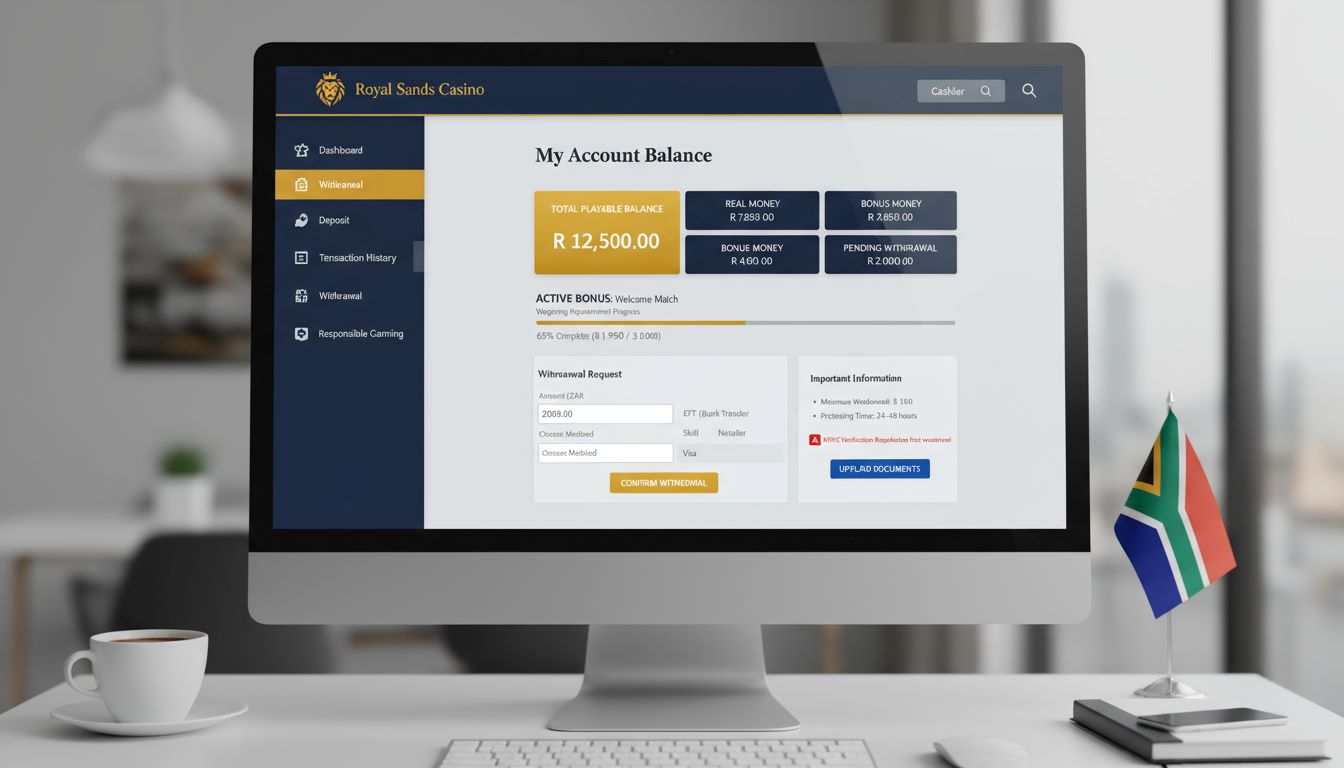
Payout balance tracking forms the backbone of modern casino operations in South Africa, providing players with transparency and security while ensuring regulatory compliance. This sophisticated system monitors every deposit, wager, win, and withdrawal, creating a detailed financial record that protects both players and operators. Understanding how these tracking mechanisms work empowers South African players to make informed decisions about their gambling activities and withdrawal strategies.
The importance of robust payout balance tracking extends beyond simple record-keeping, encompassing fraud prevention, responsible gambling enforcement, and seamless transaction processing. South African casinos must maintain detailed logs to comply with FICA regulations and National Gambling Board requirements, while players benefit from real-time balance updates and comprehensive transaction histories that facilitate tax reporting and personal budgeting.
How SA Casinos Track Player Balances and Winnings
South African casinos employ sophisticated tracking systems that monitor every aspect of player activity, from initial deposits to final withdrawals. These systems create comprehensive digital footprints that ensure transparency and regulatory compliance while providing players with detailed account histories. The technology differs significantly between land-based and online casinos, though both maintain rigorous standards for accuracy and security.
Modern casino tracking relies on integrated databases that update in real-time, capturing transaction data across multiple platforms and gaming formats. These systems must handle high-volume transactions while maintaining data integrity and providing instant access to account information for both players and casino staff.
| Tracking Method | Data Collected | Purpose | Used In (Online/Land-based) |
|---|---|---|---|
| Player Card System | Wagers, wins, losses, session duration, game preferences | Comp points, responsible gambling monitoring, fraud prevention | Land-based |
| Digital Account Logs | All transactions, login times, IP addresses, device info | Security monitoring, regulatory compliance, dispute resolution | Online |
| Game History Tracking | Individual bet outcomes, RNG seeds, game rounds | Audit trails, fairness verification, problem gambling detection | Both |
| Biometric Identification | Facial recognition data, movement patterns, session tracking | Identity verification, self-exclusion enforcement, VIP recognition | Land-based |
| Blockchain Ledgers | Immutable transaction records, smart contract executions | Transparency, dispute prevention, regulatory reporting | Online (emerging) |
| AI Monitoring Systems | Behavioral patterns, spending anomalies, risk indicators | Fraud detection, responsible gambling alerts, customer support | Both |
Player Card and Account-Based Tracking Systems
Physical casinos in South Africa rely heavily on player card systems that link directly to comprehensive databases tracking every aspect of gambling activity. These cards contain RFID chips or magnetic strips that instantly identify players when inserted into slot machines or presented at table games, creating seamless tracking across all gaming activities.
- Total amounts wagered across all games and sessions with precise timestamps
- Individual game preferences and playing patterns for personalized marketing
- Win and loss ratios calculated in real-time for responsible gambling monitoring
- Comp point accumulation based on theoretical loss calculations and actual play
- Session duration tracking to identify potential problem gambling behaviors
- Cross-property play history for casino groups with multiple locations
Automated Payout Tracking in Online Casinos
Online casinos in South Africa utilize fully automated systems that log every transaction instantly, creating immutable records of all player activities. These systems integrate with payment processors, game providers, and regulatory reporting tools to ensure complete transparency and compliance with local gambling laws.
Players can access comprehensive transaction histories through their account dashboards, viewing detailed breakdowns of deposits, bonuses, wagers, wins, and withdrawals. This transparency builds trust and helps players manage their gambling budgets effectively while providing essential documentation for tax purposes and dispute resolution.
Balance Changes: Deposits, Winnings, Withdrawals, and Bonuses
Understanding how casino balances fluctuate requires knowledge of the various transaction types that affect player accounts. Each deposit increases the available balance, while wagers decrease it, and wins add funds back to the account. Bonuses create separate tracked balances with specific wagering requirements, and withdrawals remove funds from the player’s available balance.
The flow of balance updates follows strict protocols that ensure accuracy and prevent double-counting or unauthorized adjustments. When players make deposits, the funds are immediately credited after payment verification, while winnings are added instantly upon game completion. Bonus funds are tracked separately until wagering requirements are met, at which point they convert to withdrawable cash.
FICA compliance significantly impacts balance tracking, as casinos must verify player identities before processing large transactions or withdrawals. This verification process can temporarily freeze certain balance changes until documentation is approved, though smaller transactions typically process without delays for verified accounts.
Bonus Tracking and Wagering Requirements
South African casinos maintain separate balance categories for bonus funds, ensuring players understand the difference between cash and bonus money. These sophisticated tracking systems monitor wagering progress in real-time, calculating how much play is required before bonus funds become withdrawable cash.
- Bonus balance isolation prevents confusion between cash and promotional funds
- Real-time wagering requirement tracking shows remaining playthrough amounts
- Game contribution percentages automatically adjust requirement calculations
- Expiration date monitoring ensures bonuses are used within specified timeframes
- Automatic conversion systems transfer completed bonuses to cash balances
Withdrawal Processes and Payout Speed in South Africa
South African players have access to multiple withdrawal methods, each with distinct processing times and verification requirements. The payout process typically begins with a withdrawal request, followed by internal processing, payment provider handling, and final fund delivery to the player’s chosen destination.
Factors influencing payout speed include the chosen withdrawal method, account verification status, withdrawal amount, and casino processing procedures. E-wallets generally offer the fastest payouts, while bank transfers may take several business days to complete due to traditional banking processes.
Casino tracking systems monitor every step of the withdrawal process, providing players with status updates and estimated completion times. This transparency helps manage expectations and reduces customer service inquiries about pending transactions.
| Method | Avg Speed | Limits | Verification Needed | Notes |
|---|---|---|---|---|
| E-Wallets | 0-24 hours | R1,000 – R50,000 | Basic FICA | Fastest option, minimal fees |
| EFT Bank Transfer | 1-3 business days | R500 – R100,000 | Full FICA required | Most reliable, higher limits |
| Instant EFT | 15 minutes – 2 hours | R100 – R25,000 | Account verification | Fast but limited amounts |
| Prepaid Vouchers | Instant | R50 – R5,000 | Minimal | Convenient but low limits |
| Cryptocurrency | 10-60 minutes | R200 – R200,000 | Wallet verification | Private, high limits |
FICA/KYC and Compliance in Payout Processing
The Financial Intelligence Centre Act (FICA) requires South African casinos to verify player identities before processing withdrawals, creating a structured verification process that ensures regulatory compliance. This verification protects both players and casinos from fraud while meeting anti-money laundering requirements.
- Document submission including valid South African ID, proof of residence, and bank statements
- Identity verification through automated systems and manual review processes
- Address confirmation using utility bills or bank statements dated within 90 days
- Source of funds verification for large deposits or withdrawals exceeding R10,000
- Ongoing monitoring for suspicious activity patterns or transaction anomalies
Common Payout Issues and Delays
South African players frequently encounter specific challenges that can delay withdrawal processing, though most issues are preventable with proper preparation. Understanding these common problems helps players avoid unnecessary delays and ensures smoother payout experiences.
The most frequent issues include incomplete FICA documentation, exceeding daily withdrawal limits, and using withdrawal methods different from deposit methods. Many casinos require players to withdraw using the same method they used for deposits, which can create complications if the original payment method doesn’t support withdrawals.
To minimize payout delays, players should complete FICA verification immediately after account creation, maintain updated contact information, and familiarize themselves with their chosen casino’s withdrawal policies. Keeping digital copies of required documents readily available can significantly speed up the verification process when needed.
Payout Limits and Responsible Gambling Tools
South African casinos implement various payout limits to manage cash flow, comply with regulations, and promote responsible gambling practices. These limits vary significantly between operators and often depend on player status, verification level, and chosen withdrawal method. Understanding these restrictions helps players plan their gambling activities and withdrawal strategies effectively.
Daily and weekly withdrawal limits serve multiple purposes, preventing large-scale money laundering while encouraging players to pace their withdrawals responsibly. High-roller players and VIP members typically enjoy higher limits, though they must undergo enhanced verification procedures to access these privileges.
| Type of Limit | Typical Value | Reason Imposed | How to Request Increase |
|---|---|---|---|
| Daily Withdrawal | R10,000 – R50,000 | Cash flow management, responsible gambling | VIP status upgrade, enhanced verification |
| Weekly Withdrawal | R50,000 – R200,000 | Regulatory compliance, fraud prevention | Account manager consultation, loyalty tier advancement |
| Monthly Withdrawal | R500,000 – R2,000,000 | Anti-money laundering, operational limits | High-roller program enrollment, additional documentation |
| Single Transaction | R100,000 – R500,000 | Payment processor limits, security protocols | Alternative payment methods, staged withdrawals |
| Progressive Jackpot | No limit (staged payments) | Liquidity management, verification time | Automatic process, dedicated support team |
How Limits Affect High Rollers and Jackpot Winners
High-stakes players and jackpot winners face unique challenges when withdrawing large sums from South African casinos, as standard limits may not accommodate their substantial winnings. Casinos typically implement staged payment plans for major wins, spreading payouts over several months to manage cash flow and ensure proper verification procedures.
VIP programs offer enhanced withdrawal limits and dedicated account managers who facilitate large transactions with minimal delays. These services include expedited verification processes, alternative payment methods for large sums, and personalized support throughout the withdrawal process.
Progressive jackpot winners receive special handling with unlimited withdrawal amounts, though payments are often structured over time. Casinos maintain separate protocols for these exceptional circumstances, ensuring winners receive their full amounts while meeting regulatory requirements and maintaining operational stability.
Return to Player (RTP) and Game Fairness in Balance Tracking
Return to Player percentages represent the theoretical amount that games return to players over extended periods, providing crucial insights into expected payout rates. South African casinos track RTP data meticulously, using this information to ensure game fairness and provide players with transparent expectations about their gambling activities.
- Published RTP percentages indicate long-term payout expectations across different game categories
- Real-time RTP tracking ensures games perform within acceptable variance ranges
- Individual player tracking compares personal results against theoretical expectations
- Audit trails maintain detailed records of RNG performance and game outcomes
- Regulatory reporting demonstrates compliance with fairness standards and licensing requirements
- Player education tools help explain the difference between theoretical and actual returns
What Players See: RTP vs. Real Winnings
Understanding the relationship between published RTP rates and actual gaming outcomes helps South African players set realistic expectations for their gambling sessions. While RTP indicates long-term theoretical returns, short-term results can vary dramatically due to the random nature of casino games.
- Focus on games with higher RTP percentages to maximize long-term value
- Understand that RTP applies over millions of game rounds, not individual sessions
- Track personal win/loss ratios to identify favorable games and betting strategies
- Use RTP information to compare games and make informed playing decisions
- Recognize that variance affects short-term results regardless of RTP percentages
How RTP Informs Casino Payout Structures
Casinos use RTP data to structure their game offerings and payout policies, balancing player satisfaction with business sustainability. Games with higher RTP rates often feature lower maximum payouts or different bonus structures to maintain overall profitability while providing competitive player returns.
Published RTP percentages undergo regular auditing by independent testing laboratories, ensuring accuracy and compliance with regulatory standards. This transparency builds player trust and demonstrates the casino’s commitment to fair gaming practices throughout their operations.
Transparency, Account History, and Player Support
Modern South African casinos prioritize transparency by providing comprehensive account histories that detail every transaction, bonus award, and gaming session. These detailed records serve multiple purposes, from regulatory compliance to dispute resolution, while empowering players to monitor their gambling activities effectively.
When disputes arise regarding payouts or account balances, detailed transaction logs provide definitive evidence for resolution. Casino support teams use these records to investigate player concerns quickly and accurately, often resolving issues within hours rather than days.
Player support plays a crucial role in explaining complex tracking systems and helping customers understand their account histories. Knowledgeable support staff can walk players through their transaction records, clarify bonus terms, and provide guidance on withdrawal procedures and requirements.
Account Notifications and Alerts
Automated notification systems keep South African players informed about their account activities, providing real-time updates on important transactions and account changes. These alerts enhance security while ensuring players stay informed about their gambling activities and account status.
- Instant withdrawal processing confirmations with tracking numbers and expected completion times
- Failed transaction alerts explaining reasons and suggested resolution steps
- FICA verification status updates and document requirement notifications
- Responsible gambling alerts when spending patterns exceed predetermined thresholds
- Bonus award notifications with clear terms and wagering requirement explanations
Technologies and Security Behind Casino Balance Tracking
Advanced technologies power modern casino tracking systems, incorporating artificial intelligence, blockchain technology, and sophisticated security protocols to ensure accurate and secure balance management. These systems process millions of transactions daily while maintaining perfect accuracy and providing real-time updates to players and casino operators.
Security measures include multi-layered encryption, fraud detection algorithms, and continuous monitoring systems that identify suspicious activities immediately. These technologies protect player funds while ensuring compliance with South African gambling regulations and international security standards.
Integration with regulatory reporting systems enables automatic compliance monitoring and reporting, reducing administrative overhead while ensuring adherence to all applicable laws and regulations. This seamless integration benefits both casinos and players through improved operational efficiency and enhanced security.
| Technology | Purpose | Security Features | Trends/Notes |
|---|---|---|---|
| AI Monitoring | Fraud detection, pattern analysis | Real-time anomaly detection, behavioral profiling | Growing adoption, machine learning integration |
| Blockchain Ledgers | Immutable transaction records | Cryptographic hashing, distributed validation | Emerging technology, transparency focus |
| Biometric Systems | Identity verification, access control | Facial recognition, fingerprint scanning | Land-based casinos leading adoption |
| Cloud Infrastructure | Scalable data storage, processing | Encryption at rest, secure APIs | Industry standard, cost-effective |
| Real-time Analytics | Live reporting, instant insights | Secure data pipelines, access controls | Essential for modern operations |
| Multi-factor Authentication | Account security, transaction verification | SMS, email, app-based verification | Standard security practice |
AI and Automation in Payout Processing
Artificial intelligence revolutionizes payout processing in South African casinos by automating routine verification tasks while identifying potential issues before they impact players. Machine learning algorithms analyze transaction patterns to detect fraud attempts and streamline legitimate withdrawals through faster processing.
These systems continuously learn from historical data, improving accuracy and reducing false positives that might unnecessarily delay legitimate withdrawals. Advanced AI can predict processing times, optimize payment routing, and even suggest the best withdrawal methods based on player preferences and historical success rates.
Data Privacy and Player Protection
South African casinos implement comprehensive data protection measures that exceed regulatory requirements while ensuring player information remains secure throughout the tracking and payout processes. These practices build trust while maintaining compliance with local and international privacy standards.
- End-to-end encryption protects sensitive financial and personal information
- Access controls limit staff access to player data based on job responsibilities
- Regular security audits identify and address potential vulnerabilities
- Data retention policies ensure information is stored only as long as necessary
- Player consent mechanisms provide control over data usage and sharing
Player Tools for Personal Payout Tracking
South African players increasingly rely on personal tracking tools to monitor their gambling activities, payout speeds, and overall return on investment. These tools range from simple spreadsheet templates to sophisticated mobile applications that integrate with casino APIs for automatic data collection and analysis.
Serious players benefit from maintaining detailed records that extend beyond casino-provided transaction histories, enabling comprehensive analysis of playing patterns, successful strategies, and tax reporting requirements. Many tools offer export capabilities that simplify annual tax preparation and provide insights for improving gambling outcomes.
- Automated transaction importing from multiple casino accounts for centralized tracking
- Real-time profit and loss calculations with customizable reporting periods
- Payout speed analysis comparing different casinos and withdrawal methods
- Tax reporting features that categorize winnings and losses appropriately
- Goal setting and budget management tools for responsible gambling practices
- Statistical analysis showing RTP comparisons and game performance metrics
Comparing Free vs. Paid Tracking Tools
The market offers various tracking solutions ranging from free basic tools to comprehensive paid platforms with advanced features. Understanding the differences helps South African players choose appropriate tools based on their gambling frequency and analysis needs.
| Tool Name/Type | Cost | Features | Data Export | Platforms |
|---|---|---|---|---|
| Basic Spreadsheets | Free | Manual entry, basic calculations | CSV, Excel formats | Desktop, mobile apps |
| Gambling Tracker Apps | R50-200/month | Automated tracking, analytics, alerts | PDF, CSV, tax-ready formats | iOS, Android, web |
| Professional Software | R500-2000/year | Advanced analytics, multi-casino integration | Multiple formats, API integration | Windows, Mac, web-based |
| Casino-provided Tools | Free with account | Basic history, limited timeframes | PDF statements | Casino websites, mobile apps |